Checking Out the Important Components of a Reliable HVAC System
An effective a/c system is improved several crucial elements that operate in harmony. Each component, from the thermostat to the ductwork, plays an essential duty in preserving convenience and power performance. Recognizing these components is important for maximizing efficiency and boosting interior air high quality. As one analyzes these parts, the complex partnerships between them expose understandings into boosting overall system performance. What particular elements add most to this effectiveness?
The Duty of the Thermostat in Heating And Cooling Effectiveness

Frequently forgotten, the thermostat plays an essential role in the performance of HVAC systems. This small tool functions as the key nerve center, controling temperature level setups and guaranteeing excellent comfort within a space. By properly sensing the ambient temperature level, the thermostat communicates with the ventilation, heating, and air conditioning devices to maintain the preferred environment
An efficient thermostat minimizes energy usage by turning on the a/c system just when required, consequently protecting against excessive heating or air conditioning. Modern programmable and clever thermostats improve this performance better by permitting customers to establish routines and remotely readjust setups, adjusting to everyday routines.
Additionally, the positioning of the thermostat is crucial; incorrect area can cause incorrect temperature readings, resulting in ineffective operation. Overall, a well-functioning thermostat not just boosts comfort however likewise contributes noticeably to power cost savings and the long life of the HVAC system.
Comprehending the Value of Air Filters
Air filters offer an essential feature in cooling and heating systems by guaranteeing that the air flowing within a room continues to be tidy and healthy and balanced. These filters catch dirt, allergens, and other contaminants, preventing them from being recirculated throughout the atmosphere. By capturing these fragments, air filters add to improved interior air top quality, which can greatly benefit owners' health and wellness, specifically those with allergies or respiratory conditions.
Furthermore, maintaining clean air filters improves the performance of cooling and heating systems. Stopped up filters can restrict air flow, creating the system to work tougher to preserve wanted temperatures, causing raised energy intake and higher energy costs. Regularly changing or cleansing filters is a vital maintenance action that can prolong the life expectancy of cooling and heating devices. Inevitably, recognizing the relevance of air filters allows property owners and building managers to take proactive procedures to guarantee a well-functioning, efficient HVAC system that promotes a safe and comfy indoor atmosphere.
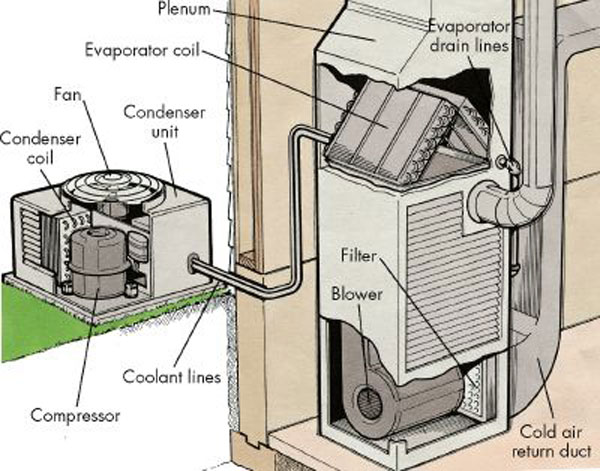
The Performance of the Heating System and Warm Pump
Heaters and heatpump are vital elements of cooling and heating systems, liable for offering warmth throughout chillier months. Heaters operate by home heating air with combustion or electric resistance, then distributing it throughout the home through ducts. They commonly provide quick heating and can be sustained by all-natural gas, electricity, or oil, depending on the system type.
Conversely, warmth pumps transfer warmth instead than create it. They remove warm from the outdoors air or ground, also in reduced temperature levels, and move it inside. HVAC experts. This dual capability permits warm pumps to likewise offer cooling in warmer months, making them versatile options for year-round environment control
Both systems need proper upkeep to ensure effectiveness and long life. While heaters master extreme cool, heat pumps can be advantageous in moderate environments. Comprehending their distinct capabilities aids property owners in choosing one of the most appropriate choice for their heating needs.
Exploring the A/c Device
The a/c system is an essential part of HVAC systems, available in numerous kinds to suit different requirements. Recognizing the performance rankings of these units is crucial for making notified selections about power consumption and expense. This area will certainly discover the diverse kinds of air conditioning unit and make clear just how effectiveness rankings impact performance.
Kinds of Air Conditioners
While various elements influence the option of air conditioning systems, recognizing the different types offered is important for home owners and building supervisors alike. Central air conditioners are designed to cool whole homes or buildings, using a network of air ducts for air movement. Home window devices provide a more local solution, suitable for small spaces or single spaces. Portable a/c unit provide versatility, allowing users to move the unit as needed. Ductless mini-split systems are one more choice, incorporating the performance of main systems with the ease of zoning, as they require no ductwork. Geothermal systems harness the earth's temperature for energy-efficient air conditioning. Each type includes distinct benefits, making notified selections necessary for efficient climate control.

Effectiveness Ratings Explained
Understanding effectiveness rankings is necessary for picking the appropriate cooling unit, as these metrics supply insight right into the system's efficiency and power intake. One of the most usual score for a/c unit is the Seasonal Energy Performance Ratio (SEER), which gauges the cooling result throughout a regular air conditioning period split by the complete electric energy input. A higher SEER suggests much better effectiveness. In addition, the Energy Effectiveness Proportion (EER) is used for determining performance under details problems. An additional essential metric is the Energy Celebrity certification, which symbolizes that a system satisfies strict energy efficiency standards. By evaluating these ratings, customers can make enlightened selections that not only enhance comfort yet additionally reduce power costs and ecological impact.
The Significance of Ductwork and Airflow
Reliable ductwork design and air movement monitoring play crucial functions in the general performance and efficiency of cooling and heating systems. Appropriate ductwork assurances that conditioned air is dispersed uniformly throughout an area, lessening temperature level variations and boosting comfort. Well-designed air ducts reduce resistance to airflow, decreasing the workload on heating and cooling devices and inevitably lowering energy usage.
Airflow administration entails purposefully positioning vents and registers to enhance the circulation of air. This avoids usual problems such as cold or hot areas, which can take place when air flow is blocked or inadequately well balanced. Additionally, the appropriate air duct materials and insulation can even more enhance performance by reducing heat loss or gain throughout air transit.
A reliable ductwork system not only adds to energy savings yet can likewise lengthen the lifespan of a/c tools by minimizing unneeded strain (HVAC experts). Subsequently, understanding the value of ductwork and air movement is crucial for achieving peak heating and cooling system performance
Regular Upkeep Practices to Boost Efficiency
Regular upkeep techniques are important for making certain peak efficiency of HVAC systems. These methods include routine examinations, cleaning, and essential repairs to keep the system running successfully. Routinely changing air filters is important, as blocked filters can block air flow and reduce effectiveness. Additionally, technicians must check and read more tidy evaporator and condenser coils to protect against overheating and energy waste.
Yearly professional inspections are also suggested, as trained professionals can recognize prospective issues prior to they rise. Oiling moving components lessens wear and tear, adding to a much longer life expectancy for the system. Making sure that the thermostat operates properly aids in preserving perfect temperature control.
Frequently Asked Inquiries
How Typically Should I Replace My Thermostat?
Thermostats should generally be replaced every 5 to 10 years, depending on use and modern technology innovations. Regular checks are recommended to ensure peak efficiency, especially if experiencing inconsistent temperature level control or increased power prices.
What Size Air Filter Is Ideal for My A/c System?
The most effective dimension air filter for an a/c system varies by unit style. Commonly, it's important to consult the owner's handbook or inspect the existing filter dimensions to assure peak performance and air quality.
Can I Install a Heatpump Myself?
Mounting a heatpump individually is possible for skilled individuals, however it requires expertise of electric systems and local codes. Employing a specialist is advised to ensure proper setup and suitable system performance.
Exactly how Do I Know if My Ductwork Is Efficient?
To figure out ductwork efficiency, one ought to inspect for leaks, action airflow at vents, evaluate insulation top quality, and review temperature level differences between supply and return ducts. Expert analyses can offer complete understandings right into overall performance.
What Are Indicators My A/c Needs Immediate Maintenance?
Signs that an a/c system needs prompt upkeep include unusual sounds, inconsistent temperatures, raised energy bills, unpleasant odors, and frequent cycling. Dealing with these concerns without delay can stop additional damages and warranty height system performance.
Air filters serve a crucial feature in Cooling and heating systems by ensuring that the air distributing within an area stays healthy and clean. Additionally, preserving clean air filters enhances the performance of A/c systems. Ductless mini-split systems are one more option, combining the effectiveness of central systems with the benefit of zoning, as they require no ductwork. Understanding efficiency ratings is vital for picking the appropriate air conditioning unit, as these metrics supply understanding right into the system's performance and power usage. The best dimension air filter for a Cooling and heating system varies by unit style.